Address
304 North Cardinal
St. Dorchester Center, MA 02124
Work Hours
Monday to Friday: 7AM - 7PM
Weekend: 10AM - 5PM
From Makkah,
We Connect the World
Eco Trade Source is the Arab–Africa–Asia Trade Corridor —
connecting three continents through Hajj, the holiest
gathering on Earth. From Makkah, we unite Muslim
economies across 57 OIC nations.
One Platform. Nine Verticals. 57 OIC Nations. Powered by Hajj.
Saudi premium dates, African cocoa, coffee, beans and cashew — sourced directly from producers and delivered to international buyers worldwide. Zero middlemen. Maximum value.
Connect African and OIC mineral exporters — gold, cobalt, bauxite, phosphate — with verified international buyers through our trusted B2B network.
Crude oil, LNG, coal and renewable energy — we facilitate trade connections between OIC energy producers and global buyers through structured, secure channels.
Phosphate fertilizers from Morocco, organic compost from Ethiopia and Rwanda, agrochemicals and bio-pesticides from Asia supplying Saudi Vision 2030 Green Initiative and African agricultural markets across 34 nations.
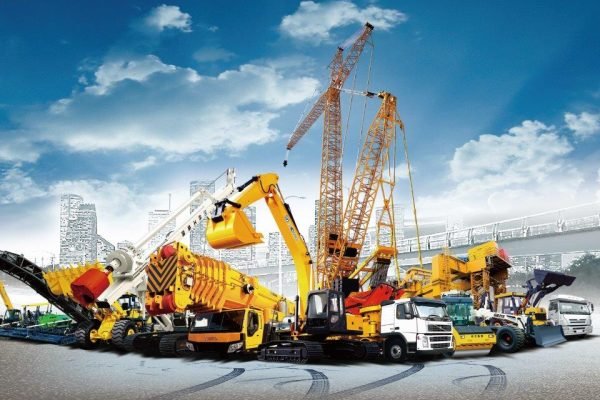
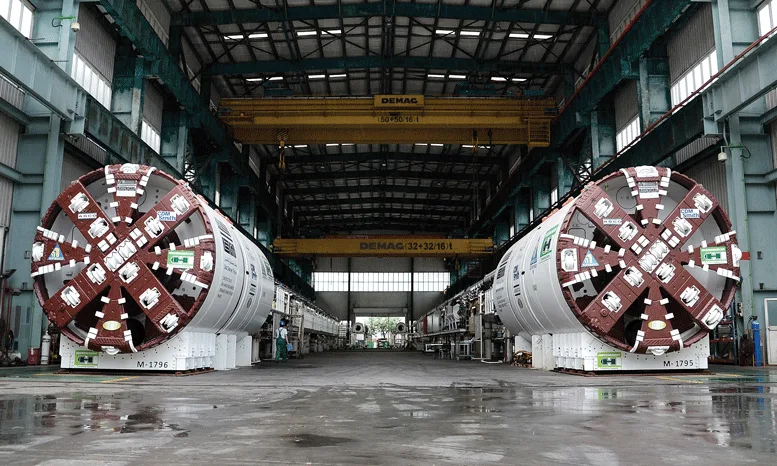
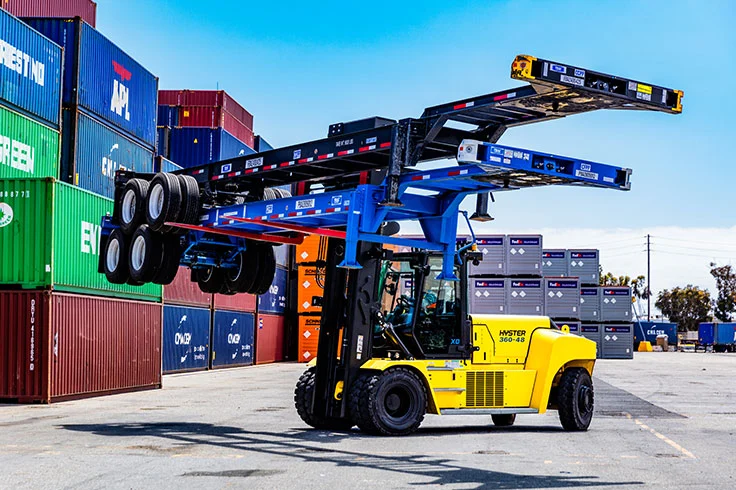
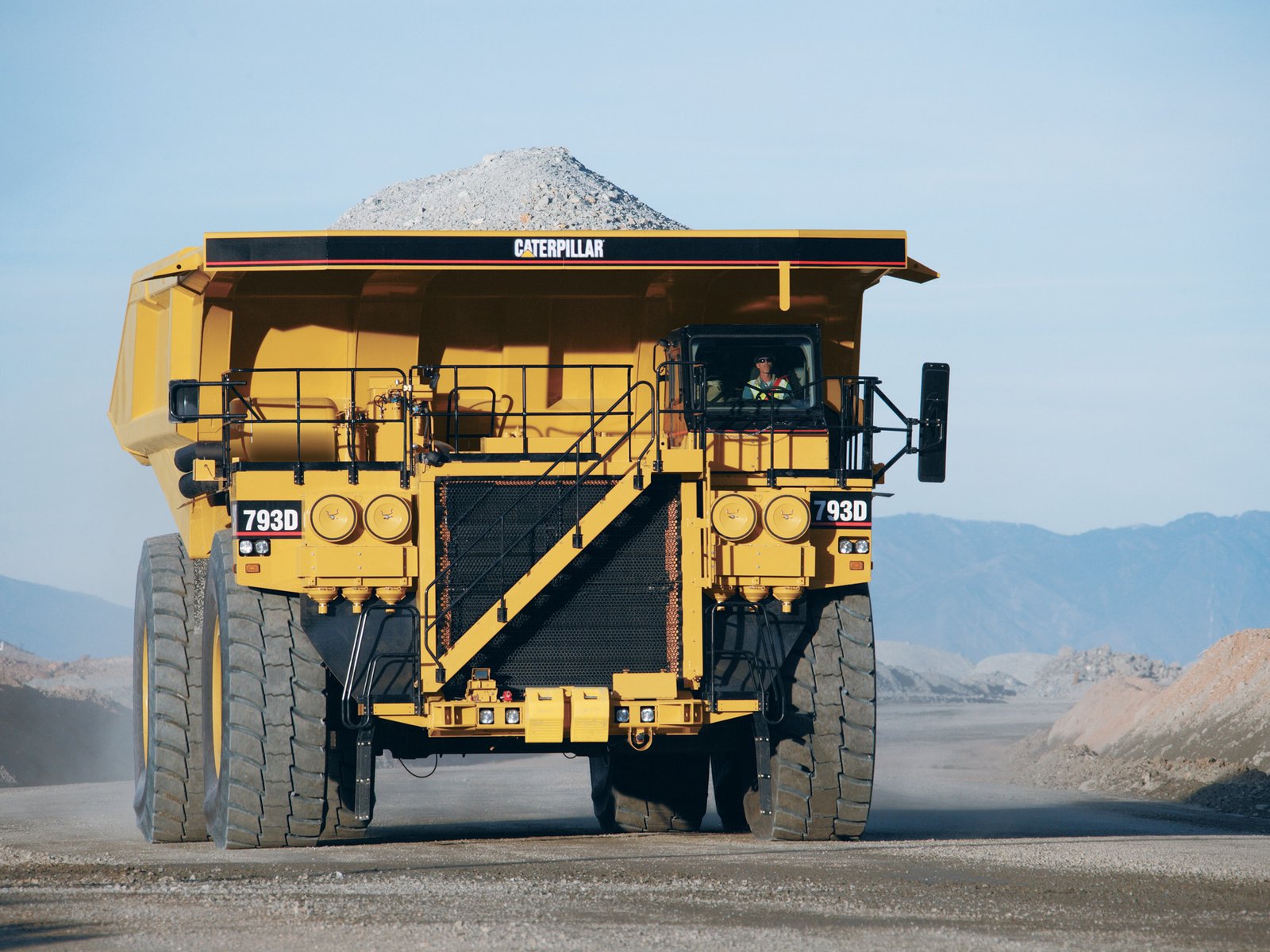
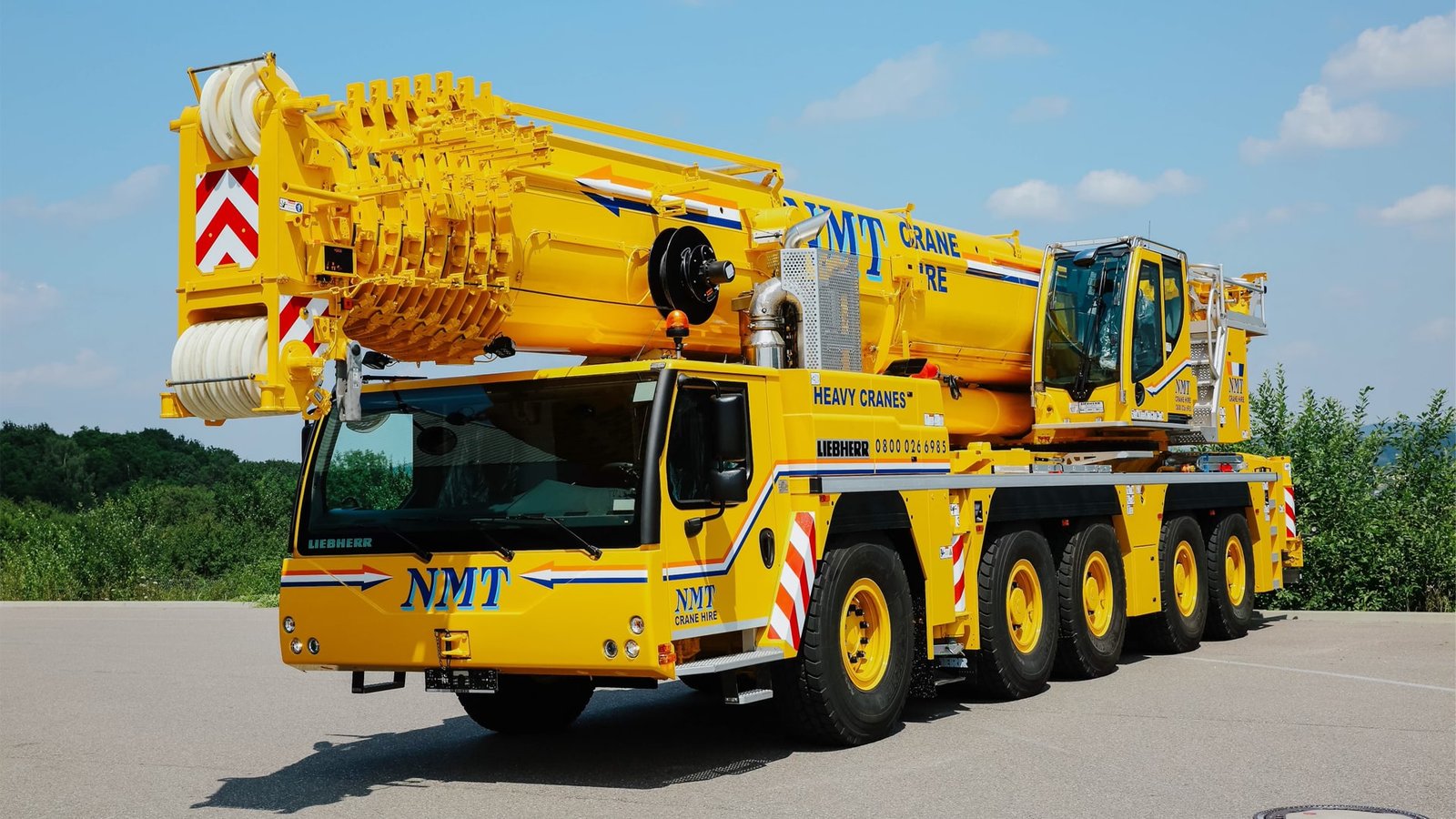
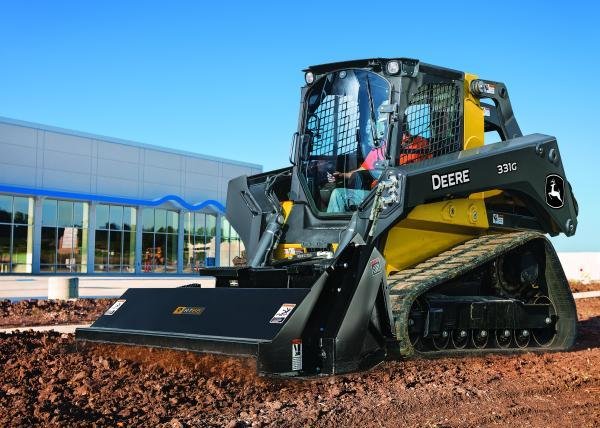
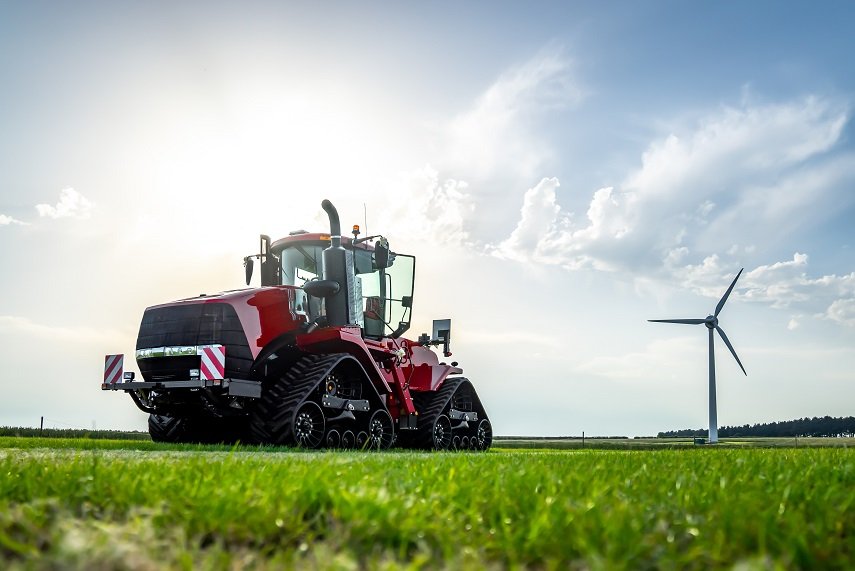
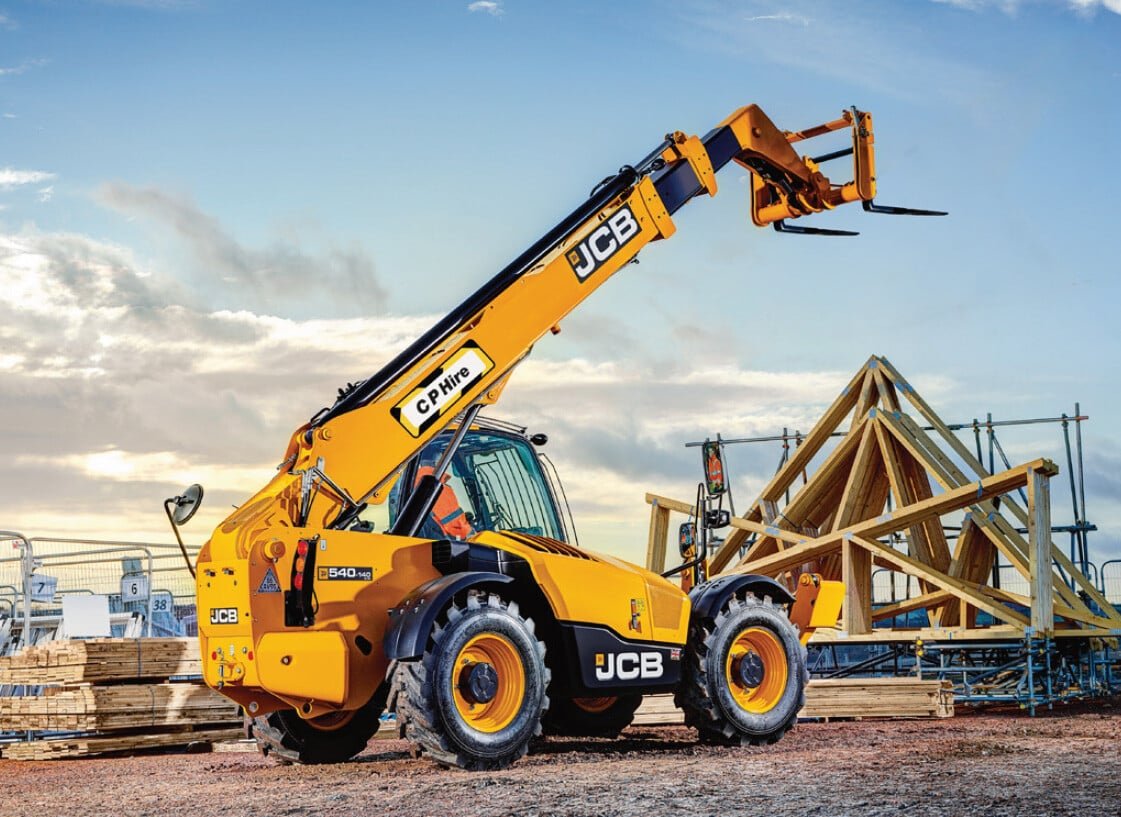
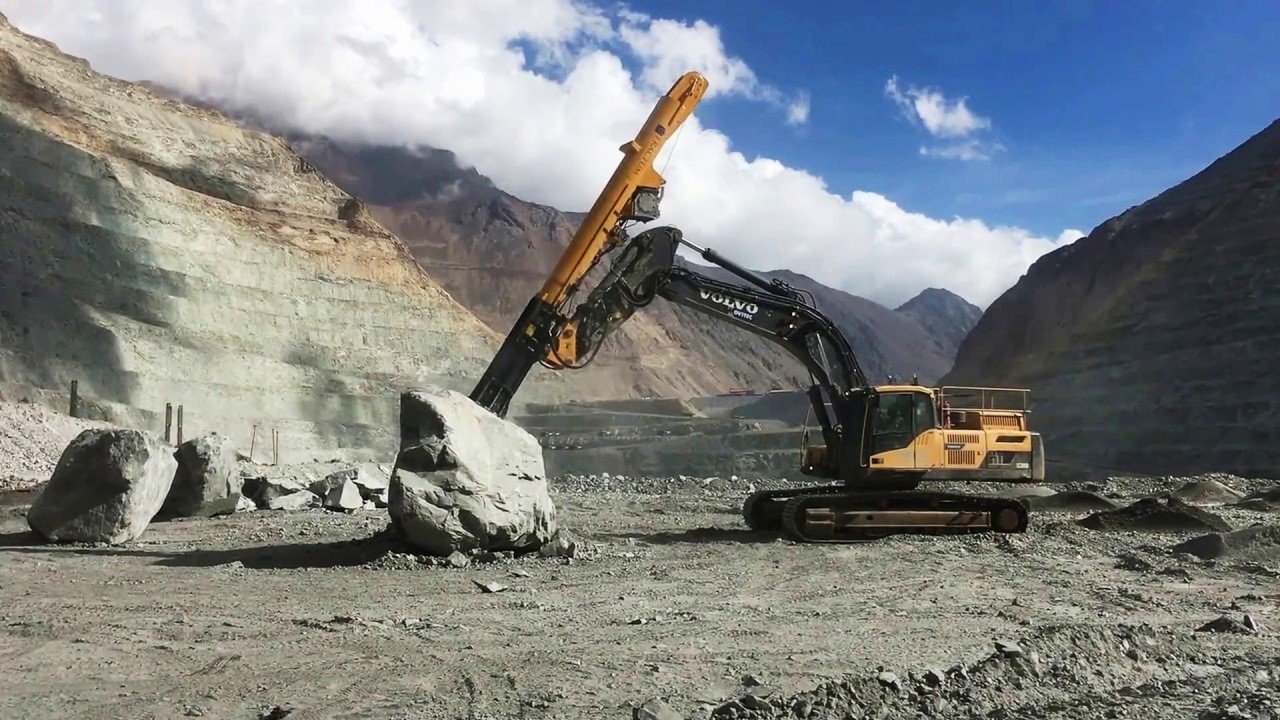
Heavy equipment, industrial machinery and transport vehicles — sourced globally and delivered to African and Middle Eastern markets through our logistics network.
End-to-end import and export facilitation across 57 OIC nations — documentation, logistics, buyer-seller matching and trade finance guidance for Muslim businesses worldwide.
Saudi Arabia Premium Residency, apartment sourcing and long-term settlement solutions for Muslim investors and businessmen — through our dedicated platform ArabianVisa.com.
Premium real estate opportunities in Saudi Arabia — Makkah, Madinah, Jeddah, Riyadh. Investment properties, commercial spaces, and residential apartments for Muslim investors and Hajj pilgrims seeking permanent Saudi presence.
Professional Hajj coordination for pilgrims from 30+ nations — connecting confirmed pilgrims to licensed Saudi Nusuk operators. Dignity, safety, and spiritual excellence for every pilgrim's once-in-a-lifetime journey.
Arab · Africa · Asia · 65+ Commodities · 52 Nations
Direct Trade · Zero Middlemen · Powered by Hajj
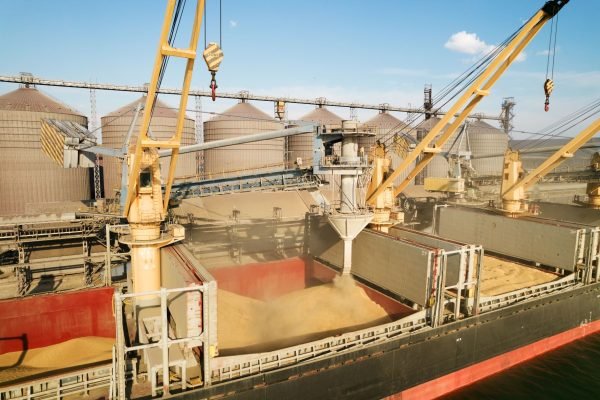
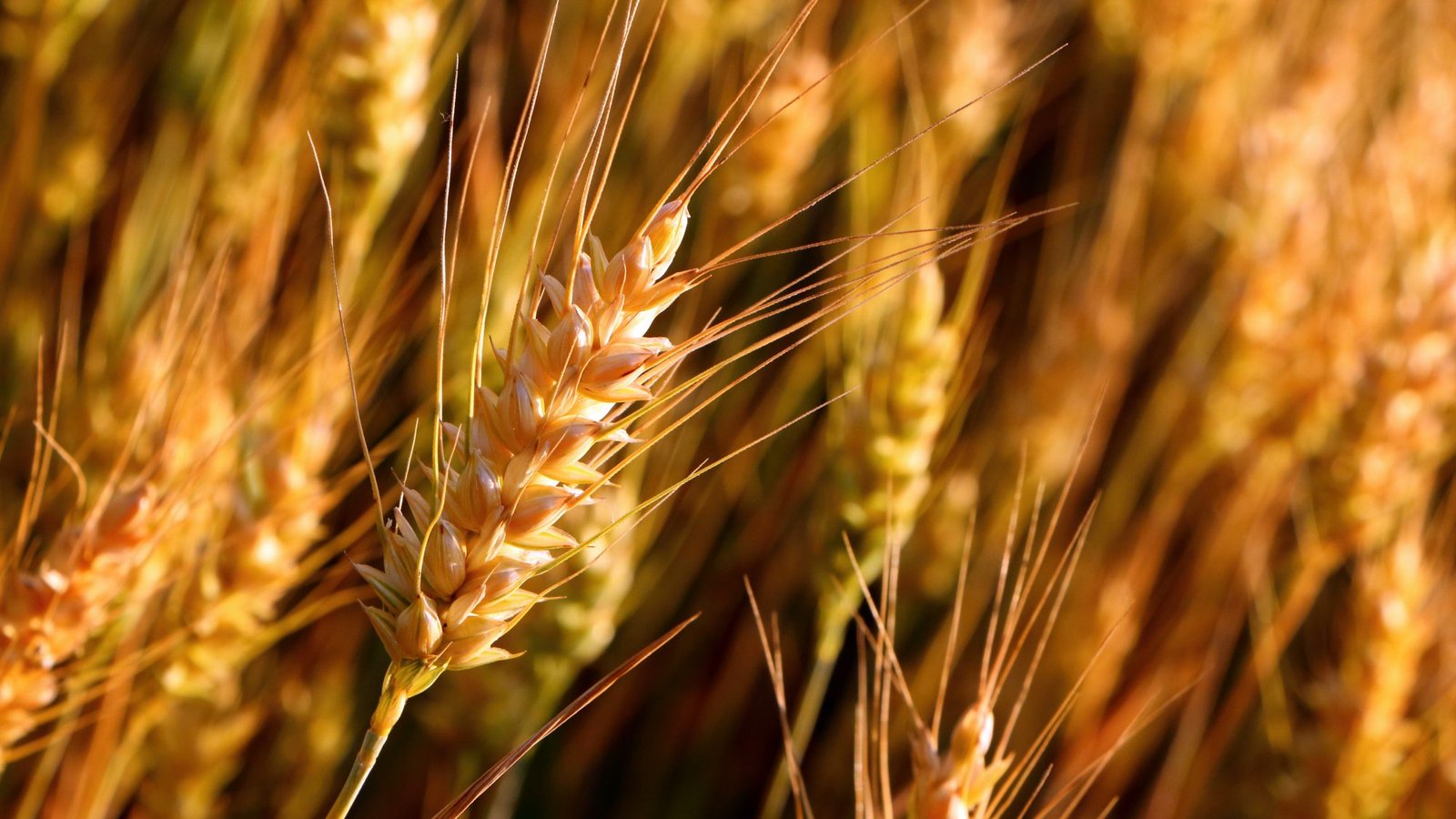
Rice (Vietnam/Thailand/Indonesia), Wheat (Syria/Turkey), Corn (Nigeria/Uganda), Sorghum (Sudan/Ethiopia)
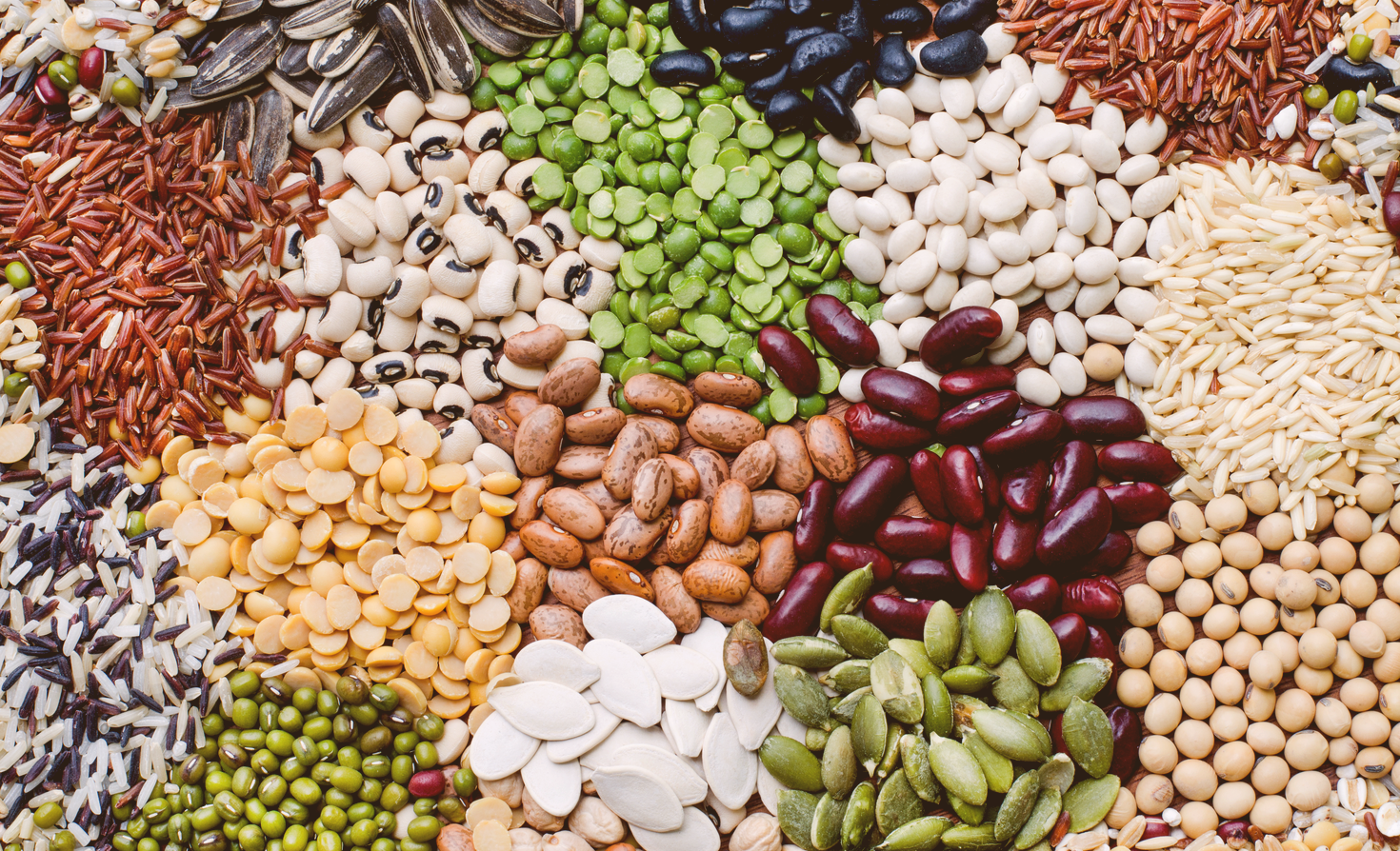
Sesame (Sudan/Ethiopia), Sunflower (Turkey/Kazakhstan), Cotton Seeds (Sudan/Uzbekistan), Specialty Seeds
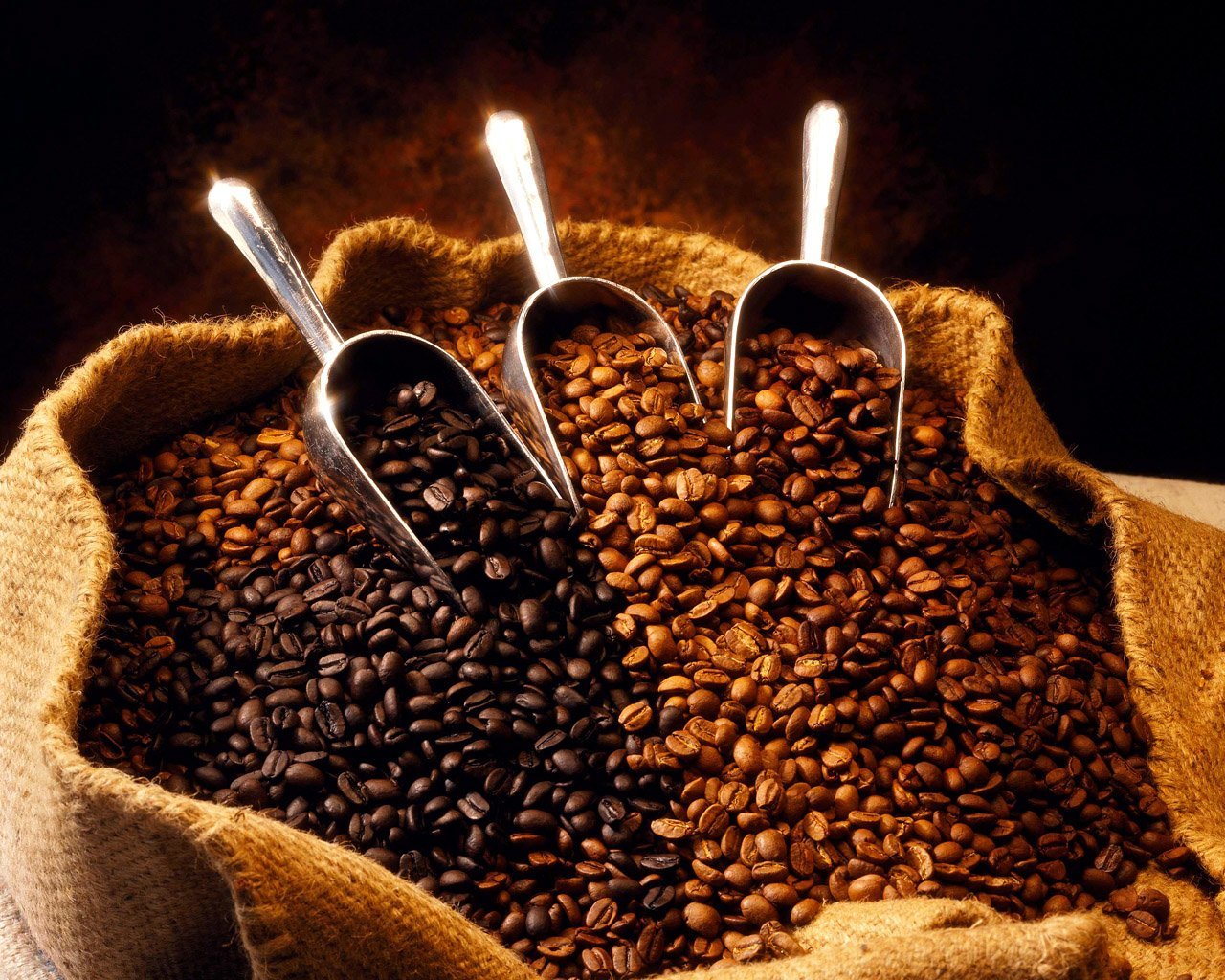
Specialty Beans (Uganda/ Tanzania/ Ethiopia), Cocoa Beans (Ghana/Côte d'Ivoire/Nigeria), Coffee Beans (Ethiopia/Kenya)
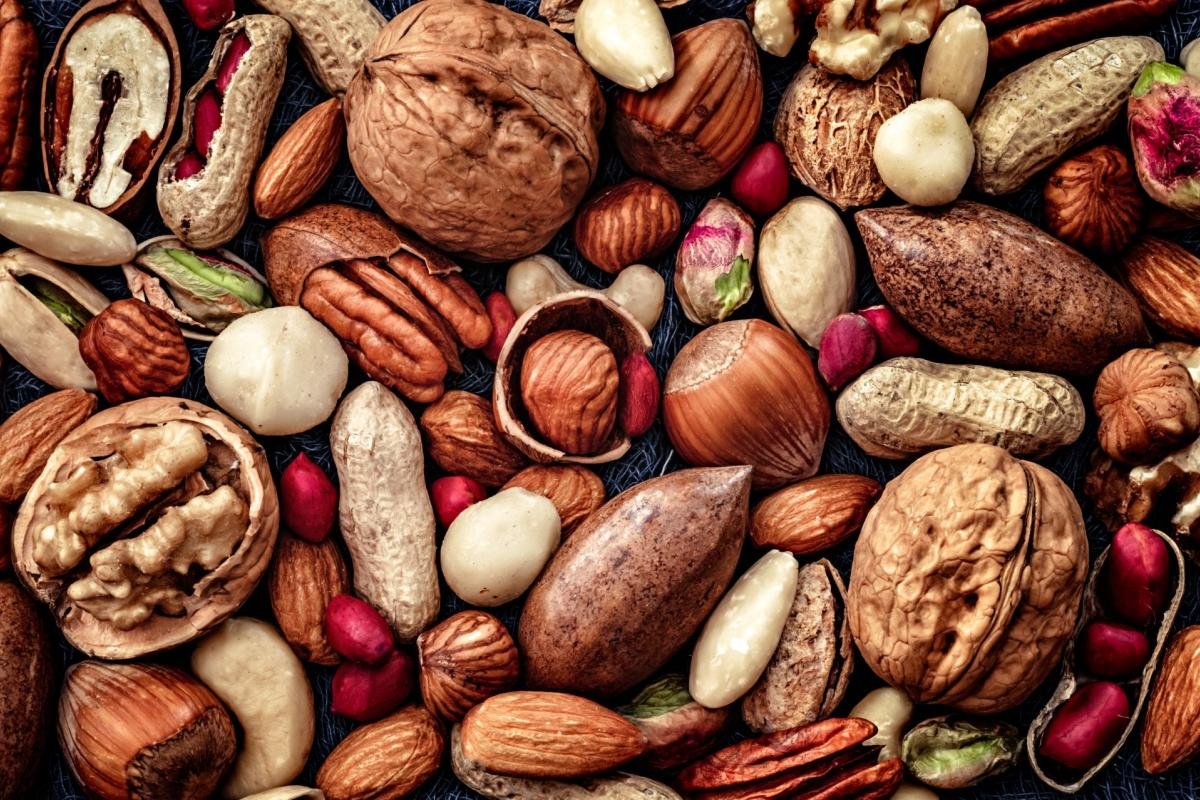
Cashew (Guinea-Bissau/ Senegal/ Tanzania), Almonds (Turkey/ Iran), Pistachios (Afghanistan/ Syria), Peanuts (Sudan/ Senegal)
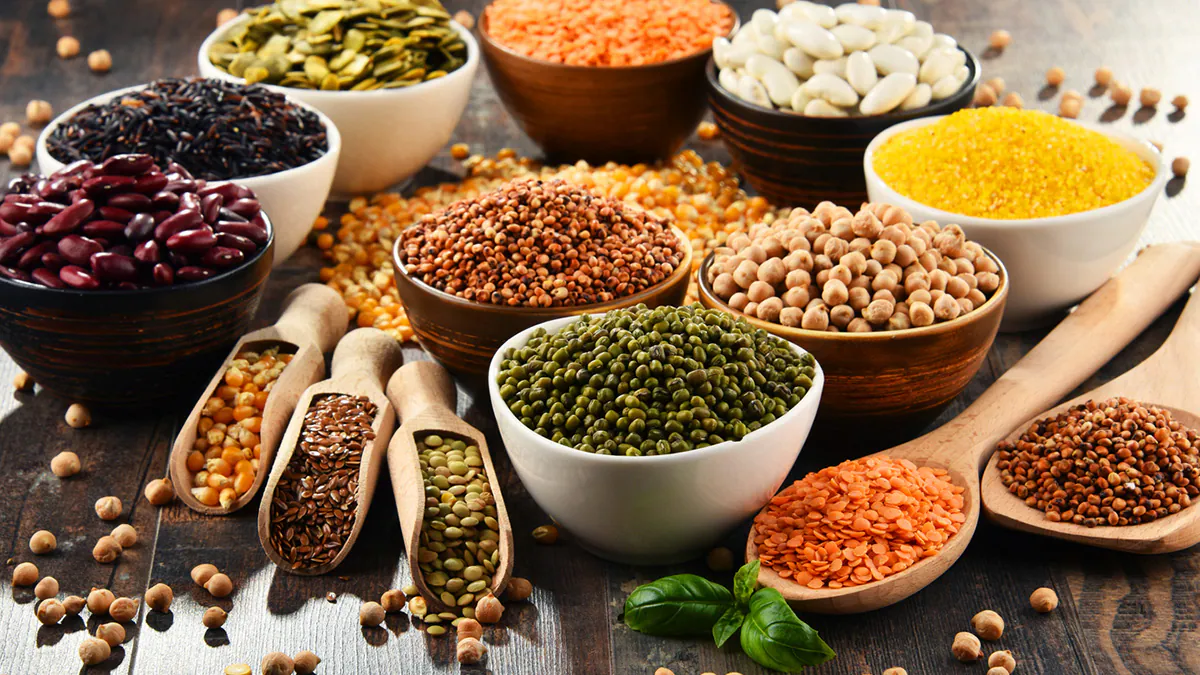
Chickpea (Turkey/ Algeria), Red Lentils (Turkey), Green Mung (Indonesia/ Thailand), Pigeon Pea (India/ East Africa)
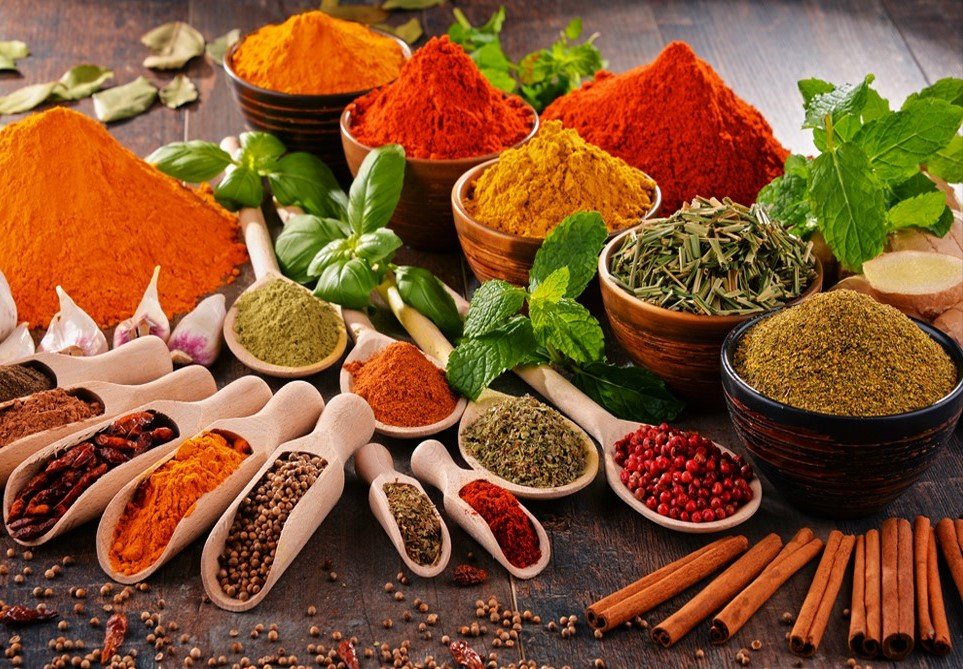
Cardamom (India/ Pakistan/ Afghanistan → Middle East #1), Cloves (Zanzibar), Black Pepper (Vietnam/ India), Saffron (Morocco)
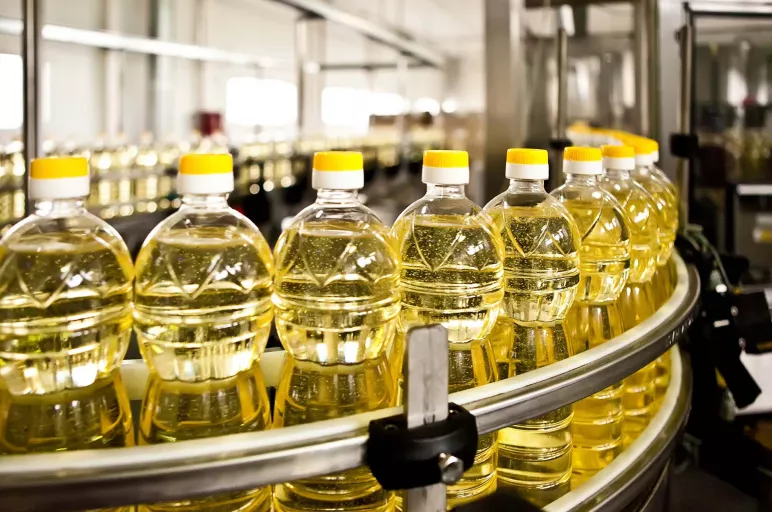
Palm Oil (Indonesia/ Malaysia), Olive Oil (Tunisia #2/ Morocco), Argan Oil (Morocco), Sesame Oil (Sudan/ Ethiopia)
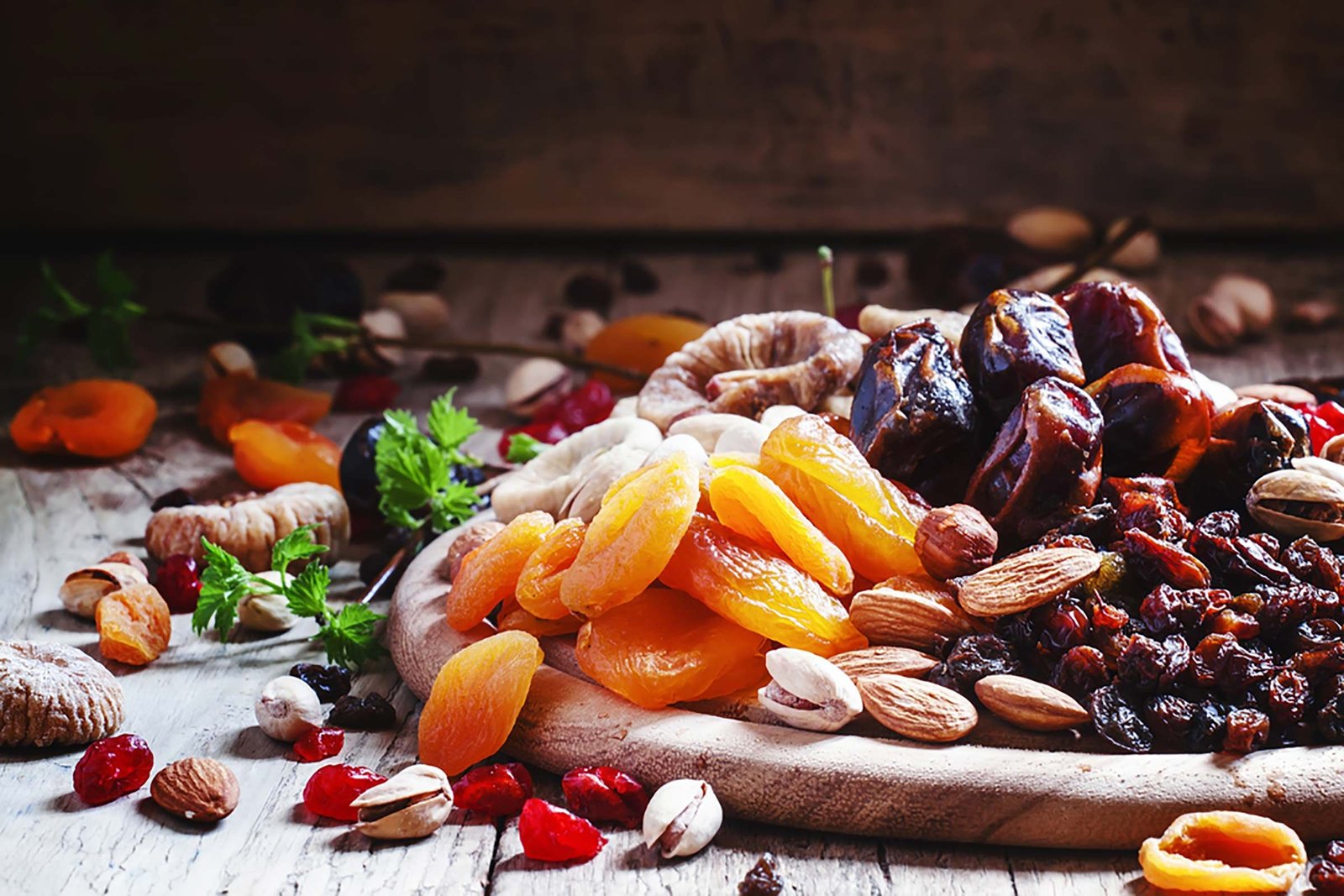
Dates (Saudi Arabia/ Algeria Deglet Nour), Figs (Turkey/ Algeria), Raisins (Afghanistan/ Turkey), Vanilla (Madagascar)
Africa holds 30% of the world’s mineral reserves — gold, phosphate,
bauxite, cobalt, and more. Eco Trade Source connects verified,
conflict-free mineral exporters across 34 African nations with
trusted OIC buyers — through our Hajj-powered B2B corridor.
We source minerals only from verified, conflict-free producers
across 34 African nations. Every supplier is screened for ethical
extraction practices, fair labour standards, and environmental
compliance — before a single introduction is made.
Every mineral transaction through our corridor includes full origin
documentation — mine location, extraction method, and chain of
custody. We eliminate the opacity that has long plagued African
mineral trade, delivering verified proof from source to buyer.
Through SAWAB (21 years) and UNIW Istanbul (19 years), we hold
direct ministry-level access across 30+ African nations — including
Morocco (70% of global phosphate reserves) and Guinea (25% of
global bauxite). Government-level connections. Not broker-level.
Our annual Post-Hajj B2B Summit in Jeddah is where African mineral
exporters meet Gulf, Asian, and OIC buyers — in a setting built on
shared faith and verified trust. This is not a trade show.
This is where deals are made between people who prayed together.
Effectively managing minerals is essential for creating a sustainable and ethical future. By embracing responsible sourcing, establishing traceability, promoting recycling, and fostering collaboration, we can minimize the negative environmental and social impacts associated with mineral extraction. The actions outlined in this article emphasize the importance of adopting a holistic approach, involving all stakeholders, to ensure a responsible and sustainable mineral trade. Let us work together to harness the potential of minerals while preserving our planet for generations to come.
34 African Nations · Direct Producers · Conflict-Free · OIC Verified
West and East Africa’s gold belt produces some of the world’s
finest reserves. We connect verified producers with institutional
OIC buyers — full conflict-free documentation guaranteed.
Guinea holds 25% of the world’s bauxite — the essential raw
material for aluminium production. Direct export connections
from Guinean producers to global processors.
Morocco controls 70% of global phosphate — the backbone of
fertilizer production worldwide. We supply Saudi Vision 2030’s
10 Billion Tree Green Initiative directly through this corridor.
The DRC and Zambia hold the majority of the world’s cobalt —
critical for EV batteries and electronics. We connect ethical
producers with verified industrial buyers across OIC nations.
West Africa’s iron ore belt is among the world’s richest.
We facilitate direct bulk export contracts between African
producers and OIC steel manufacturers.
Zambia is one of Africa’s leading copper producers. We connect
copper mines with Gulf and Asian industrial buyers seeking
verified long-term supply contracts.
Ghana and Gabon produce significant portions of the world’s
manganese — essential for steel production. Our B2B network
links producers directly with verified industrial buyers.
Bioethanol is produced through the fermentation of biomass, primarily crops such as corn, sugarcane, and wheat. Biodiesel can be used as a substitute for diesel in vehicles. Hydrogen fuel is used in fuel cells to generate electricity and power electric vehicles.
We facilitate Kimberley Process-certified diamond trade from
Sierra Leone and Zimbabwe. Full conflict-free certification,
ethical sourcing guarantee — every single transaction.
Niger is the world’s second-largest uranium producer. We connect
Niger’s uranium sector with verified energy-sector buyers through
fully compliant international trade channels.
Coltan — columbite-tantalite — is essential for mobile phones
and electronics globally. We connect DRC and Rwanda producers
with electronics manufacturers through ethical supply chains.
Zimbabwe holds significant chromite deposits — critical for
stainless steel and chrome production. Our corridor connects
Zimbabwean producers with OIC steel manufacturers directly.
Energizing a Sustainable Tomorrow
LPG, or liquefied petroleum gas, provides a versatile and environmentally-friendly fuel solution for heating, cooking, transportation, and industrial applications, promoting energy efficiency and reducing carbon footprint.
LNG, or liquefied natural gas, offers a cleaner and more efficient energy source, reducing emissions and powering industries, transportation, and homes with greater sustainability.
Petroleum oil, a crucial energy resource, fuels transportation, powers industries, and supports various sectors. Innovation and sustainable practices are key to mitigating its environmental impacts.
Lubricant oil, essential for machinery and engines, reduces friction, protects against wear and tear, and ensures optimal performance, prolonging the lifespan of the equipment.
Fuel is a vital resource that powers various modes of transportation, generates electricity, and fuels countless industrial processes. With the increasing demand for energy and the need for sustainable alternatives, understanding the different types of fuel becomes crucial.
In this comprehensive guide, we will explore various fuel types, including conventional and alternative fuels, shedding light on their characteristics, applications, and environmental impacts.
As we strive for a more sustainable and environmentally friendly future, the diverse range of fuel options plays a significant role. While conventional fossil fuels still dominate the energy landscape, alternative and renewable fuels are gaining momentum. Understanding the characteristics, applications, and environmental impacts of different fuel types enables us to make informed choices and support the transition to cleaner and more efficient energy sources. By embracing innovation and exploring greener alternatives, we can shape a more sustainable energy future for generations to come.
Crude oil, also known as petroleum, is a complex mixture of hydrocarbons extracted from underground reservoirs. It serves as the primary source for various fuels like gasoline, diesel, and jet fuel.
Natural gas consists mainly of methane and is found alongside crude oil reserves. It is used for heating, electricity generation, and as a fuel for vehicles.
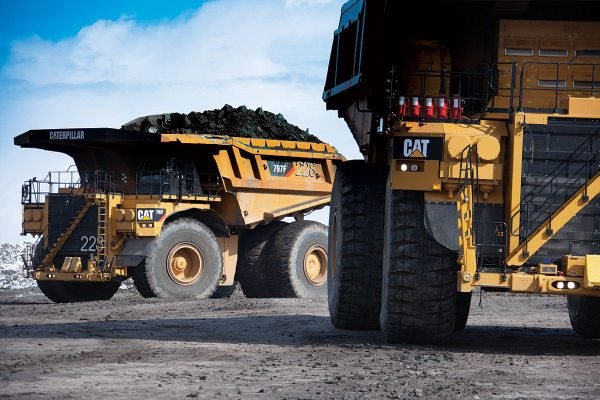
Coal is a solid fossil fuel formed from decomposed plant matter. It is primarily used for electricity generation in power plants.
Gasoline, also called petrol, is a refined product derived from crude oil. It powers internal combustion engines in cars, motorcycles, and small engines.
Diesel fuel is obtained by distilling crude oil and is commonly used in heavy-duty vehicles like trucks, buses, and some cars.
Jet fuel, or aviation turbine fuel (ATF), is specifically formulated for use in aircraft. It provides the necessary energy for jet engines.
Hybrid vehicles combine an internal combustion engine with an electric motor, utilizing gasoline or diesel as fuel while providing increased fuel efficiency.
Electric vehicles are powered by rechargeable batteries and use electricity as their primary fuel source. They produce zero tailpipe emissions and are becoming increasingly popular.
PHEVs combine a gasoline or diesel engine with an electric motor and a larger battery. They can be charged from an external power source and offer a blend of electric and conventional driving.
Bioethanol is produced through the fermentation of biomass, primarily crops such as corn, sugarcane, and wheat. Biodiesel can be used as a substitute for diesel in vehicles. Hydrogen fuel is used in fuel cells to generate electricity and power electric vehicles.
Lorem ipsum dolor sit amet, consectetur adipiscing elit, sed do eiusmod Lorem ipsum dolor sit amet, consectetur adipiscing elit
Cras rhoncus lacinia lobortis. Aenean tempor eu sem quis eleifend. Integer commodo semper tristique.

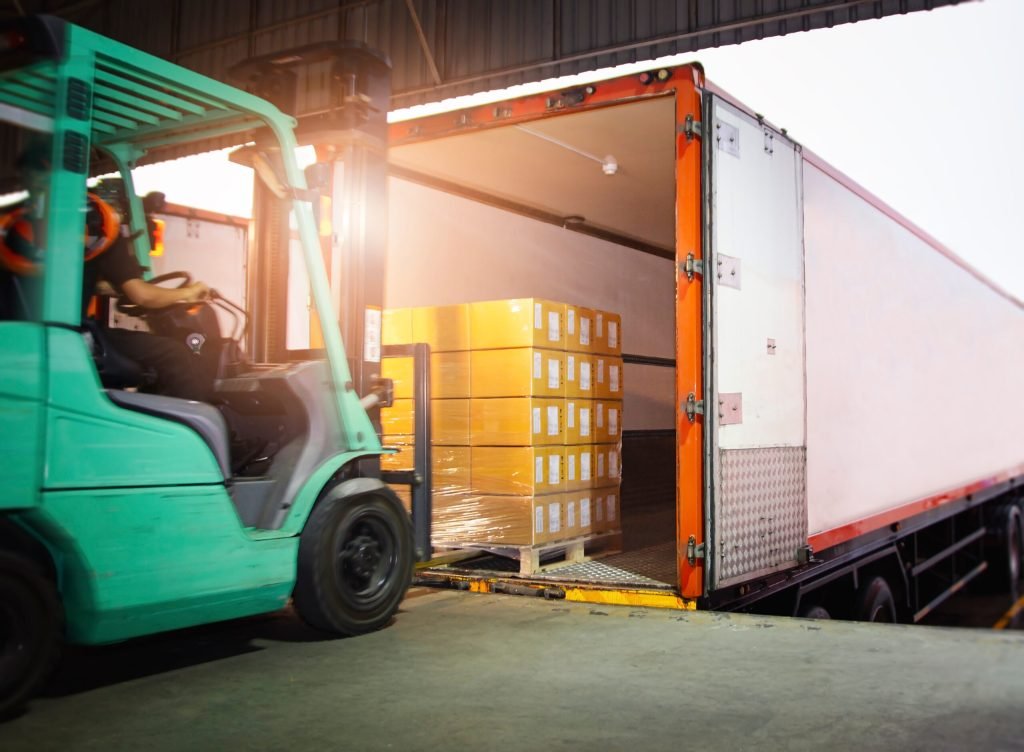
on order over $150.00
free 90 days return
Register and get discount
Building Bridges, Expanding Markets
The Borderless Trade Revolution: Redefining Commerce in the Global Age.
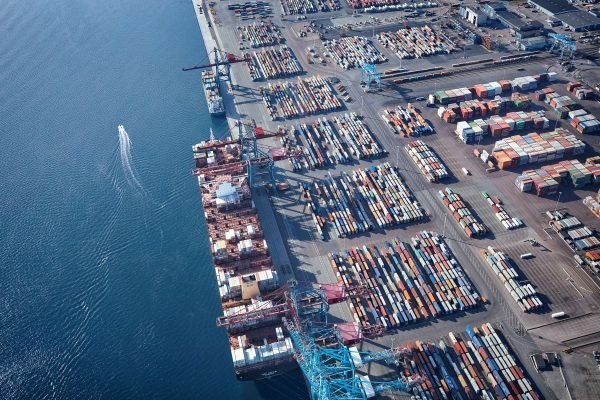
Import and export activities play a crucial role in fostering economic interdependence between nations, facilitating global trade, and promoting economic development.
Eco Trade Source's Supply Chain Management offers a high level of efficiency and security for fast-moving consumer goods, every step of the way.
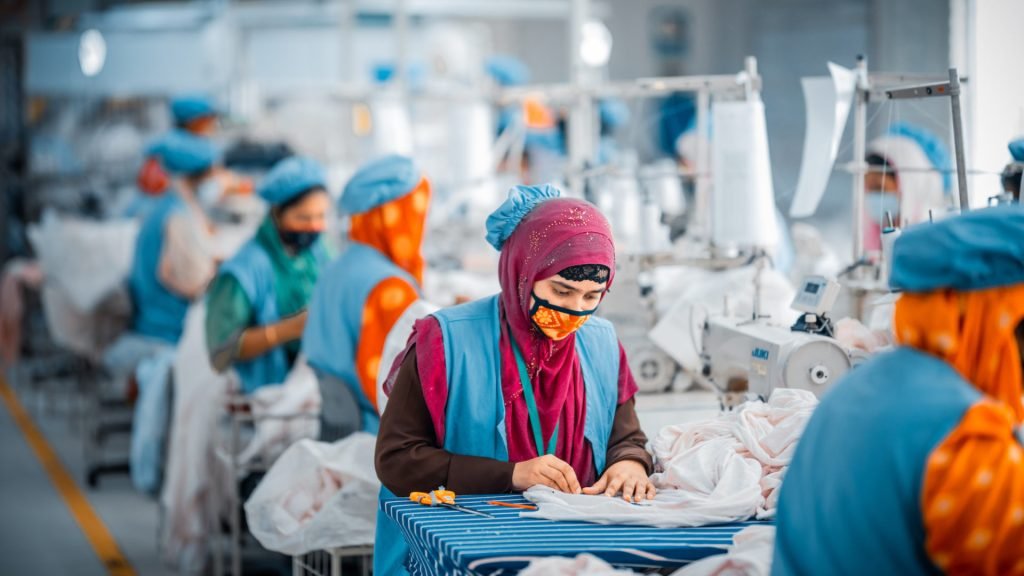
Explore and get a sneak peek into what we offer across the fashion and lifestyle industry with Eco Trade Source Supply Chain Management solutions.
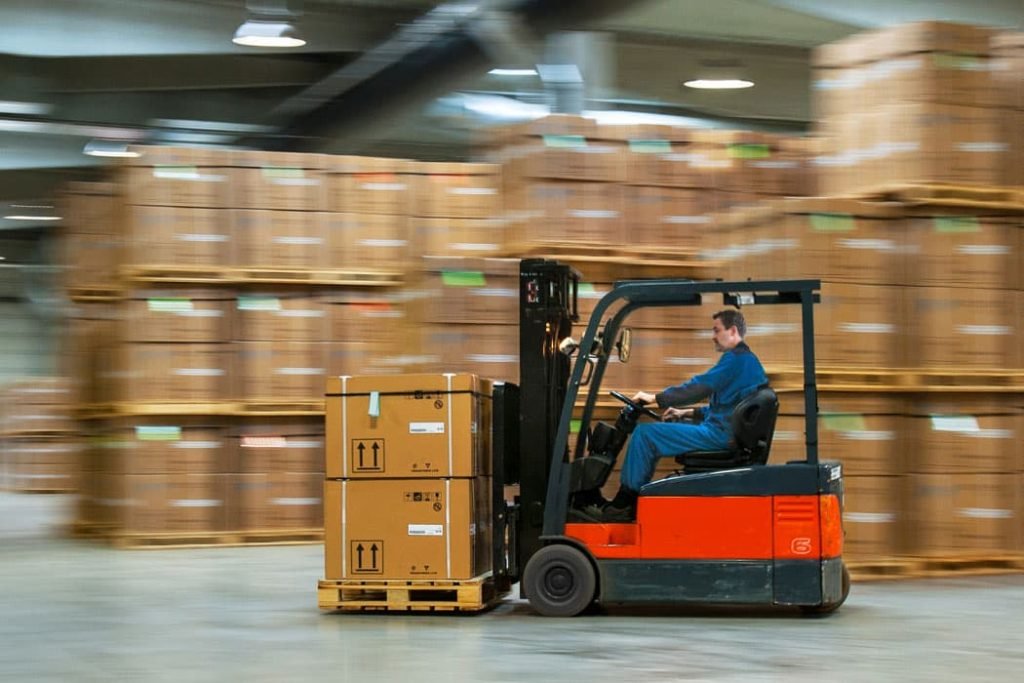
At Eco Trade Source we create value for the retail industry with our comprehensive logistics solutions from Supply Chain Management to Omnichannel Sales.
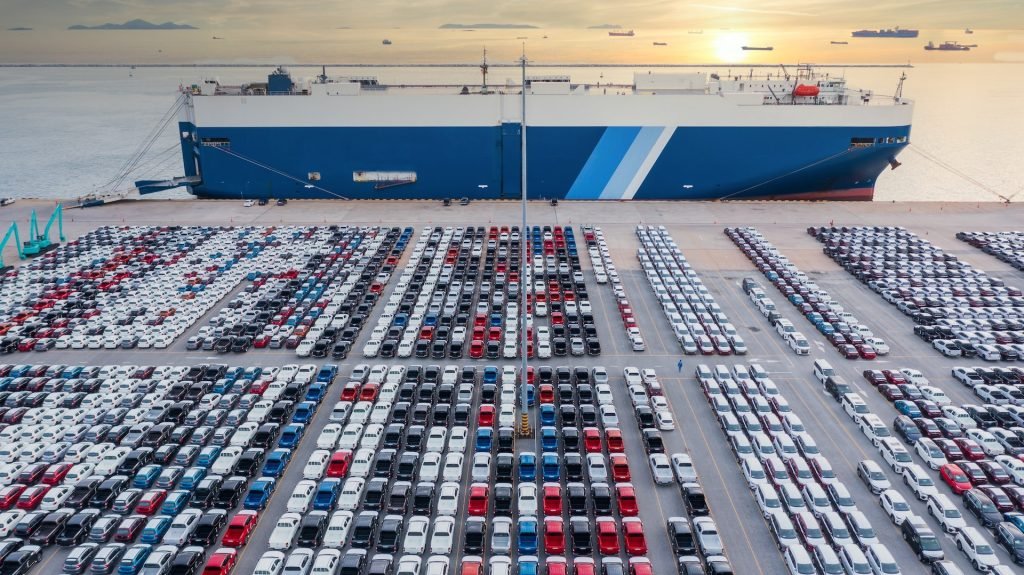
Learn about the high-quality and efficient solutions we offer across the automotive industry with Eco Trade Source Supply Chain Management.
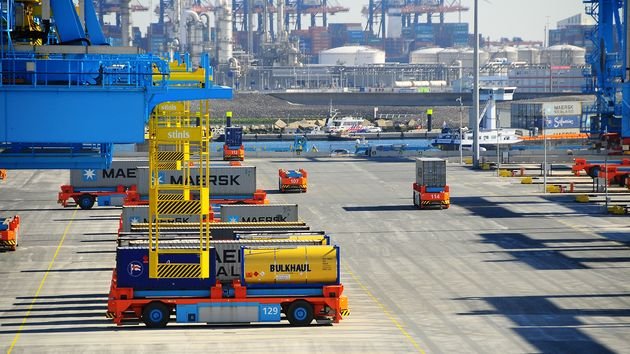
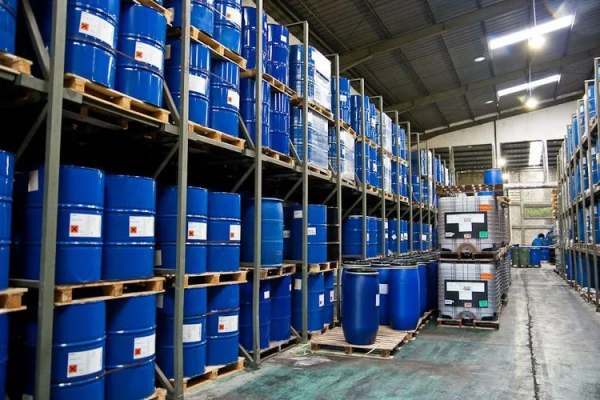
For every step of the way, we ensure the safety and security of your chemicals with Eco Trade Source Supply Chain Management solutions.

At Eco Trade Source, we build your technology supply chain management solutions around key enablers that produce high quality results.

Simple testimonial with thumbnail image and box shadow
Best suite for your small startup business lorem ipsum dolor sit amet consiquest.